
Your roof has been quietly doing its job for decades, shedding rain, shrugging off snow, and baking under the Rogue Valley sun without a word of complaint. Then one morning, you spot a water stain on the ceiling and suddenly the conversation gets expensive. Understanding roofing costs and financing in Southern Oregon is the first step toward tackling that conversation with confidence rather than dread. Material choices, local labor rates, and the region’s unique climate all shape what you’ll pay, but with the right information and a smart plan, a new roof is well within reach for most homeowners.
Southern Oregon sits in a climate sweet spot that is neither purely Pacific Northwest rainy nor fully high-desert dry. That in-between personality means roofs here face a rotation of heavy winter rains, occasional snow loads at elevation, scorching summer heat, and surprise windstorms rolling down from the Cascades. Contractors price for those realities, and so should you.
One often-overlooked opportunity for funding a replacement? Tax refund season. We’ll get to that a little later, because it’s genuinely one of the savviest moves a homeowner can make in the spring months.
What Does Roof Replacement Cost in Southern Oregon?
No two roofs are identical, and no two quotes should be identical either. That said, here’s a realistic lay of the land for Southern Oregon homeowners shopping for a replacement:
| Roofing Material | Estimated Cost Range | Typical Lifespan |
| Asphalt Shingles (3-tab) | $5,000 – $9,000 | 15–25 years |
| Architectural Asphalt Shingles | $8,000 – $12,000 | 25–30 years |
| Metal Roofing (standing seam) | $12,000 – $25,000+ | 40–70 years |
| Tile or Slate | $20,000 – $40,000+ | 50+ years |
Asphalt shingles remain the most popular choice in the region because they balance upfront affordability with decent durability. Metal roofing is gaining serious ground, especially in areas prone to wildfire ember fall, where a Class A fire-rated metal panel offers peace of mind that asphalt simply can’t match. Tile and slate are reserved for homeowners who want a roof that outlasts the mortgage by a generation or two.

Cost Factors That Impact Your Final Price
The estimate on paper is rarely the final number. Here’s what moves the needle in either direction:
Roof size and pitch are the two biggest variables. A steep slope requires more safety equipment, slower movement across the surface, and more material waste at angles and ridges. A low-slope or flat section may need specialized underlayment. Every extra degree of pitch adds a few hundred dollars to labor.
Material selection is straightforward: metal costs more than asphalt upfront, but factor in the 40-year lifespan versus 25 years and the math often flips in metal’s favor over time.
Labor and accessibility play a big role in Southern Oregon, where some properties on hillsides or rural acreage require special lift equipment or longer crew travel times.
Permits and disposal fees are easy to forget and painful to discover mid-project. Most jurisdictions in Jackson and Josephine counties require a roofing permit, and disposal of old shingles runs $300 to $600 depending on the size of the job.
Weather considerations matter too. A contractor who has spent years working in Medford, Ashland, and Grants Pass knows which underlayments hold up best against the freeze-thaw cycles at higher elevations and which products fail within a decade when installed incorrectly for this specific climate.
Roofing Costs and Financing Options for Homeowners
Let’s be honest: somewhere between $8,000 and $20,000 is a lot of money to have sitting around in a savings account. Most homeowners don’t, and that’s completely normal. The good news is that the roofing industry has adapted, and there are more financing paths available today than there were even five years ago.
| Financing Option | Best For | Key Consideration |
| Contractor Financing Plans | Immediate need, good credit | Check interest rates and term length |
| Home Equity Loan (HEL) | Established equity, lower rates | Uses home as collateral |
| Home Equity Line of Credit (HELOC) | Flexible draw schedule | Variable rate; discipline required |
| Personal Loan | No equity, credit-worthy borrowers | Higher rates than HEL/HELOC |
| Homeowner’s Insurance | Storm, hail, or fire damage | Deductible applies; document damage |
Many reputable roofing contractors in Southern Oregon offer in-house financing or partner with third-party lenders. A 12-month same-as-cash arrangement can be a fantastic tool when you know funds are coming in (hello, tax refund) and want the work done before the rainy season arrives.
Insurance is worth a call before assuming it won’t help. If a recent windstorm, hail event, or wildfire ember caused identifiable damage, your policy might cover more than you’d expect. Document everything with photos and timestamps.
Using Your Tax Refund for Roof Replacement
Every spring, a sizable chunk of Southern Oregon homeowners receive a federal or state tax refund between $1,500 and $4,000. Most of that money evaporates into everyday expenses before the month is out. But what if you treated that refund like the windfall it is and pointed it at something that actually builds wealth?
Why It’s a Smart Move
Using your refund toward a roof replacement is one of the highest-return home improvement investments you can make. Here’s why the math works:
First, you sidestep interest entirely if you pay cash. A $10,000 roof financed at 9% over five years costs you roughly $2,500 in interest. Your refund as a down payment shrinks that number substantially.
Second, a new roof adds measurable resale value. Industry data consistently shows that new roof installation recoups 60 to 70 percent of its cost in home resale value, and in competitive markets like Ashland or Medford, a fresh roof can be the factor that closes a deal faster and at a higher price.
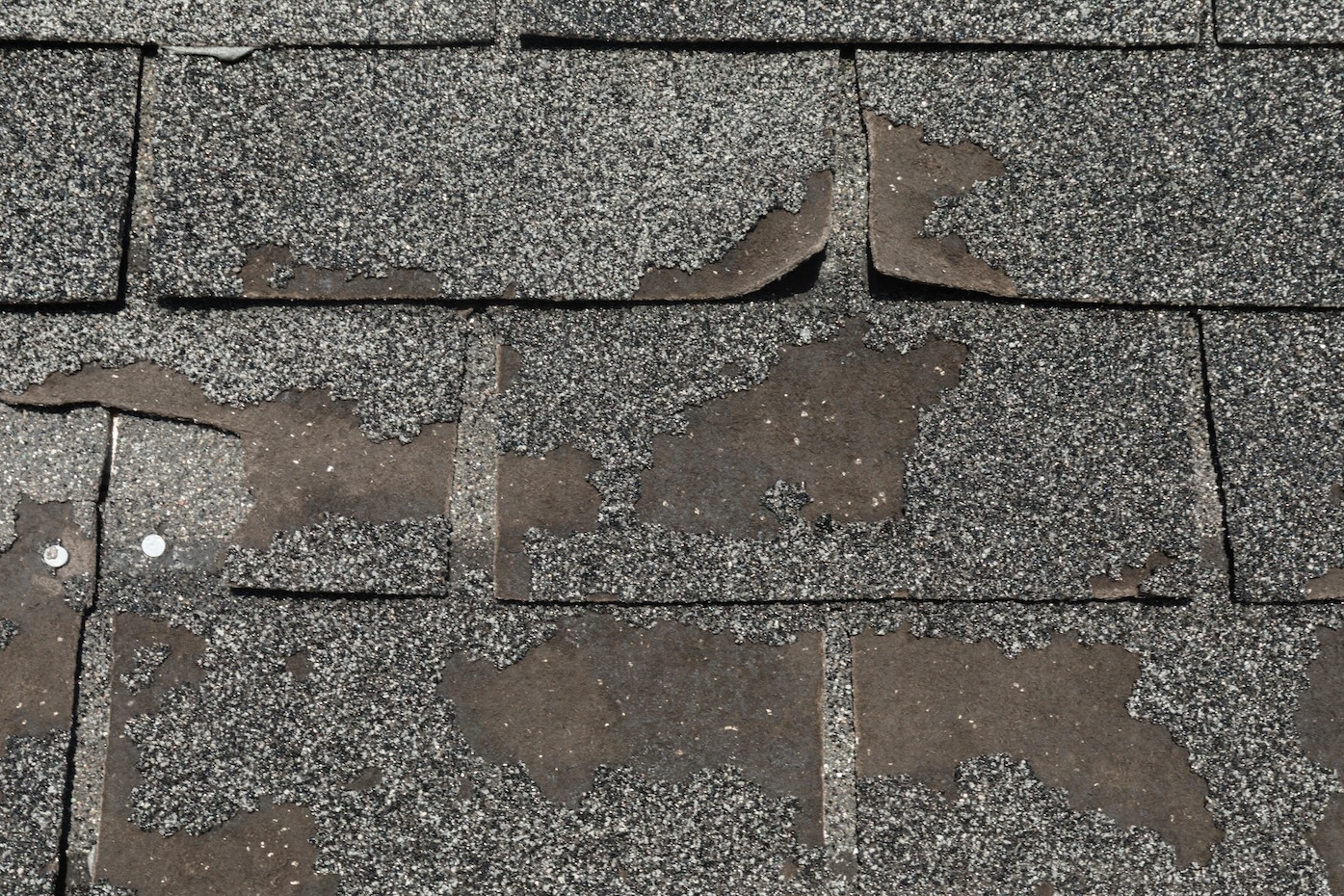
Third, roof deterioration is exponential, not linear. A small leak ignored for one season becomes rot in the decking, mold in the insulation, and damaged drywall inside the home. Spending $300 on a repair this spring might save $8,000 in collateral damage three years from now.
How to Allocate Your Refund
Not everyone’s refund covers the full cost of a replacement, and that’s perfectly fine. Here are three practical ways to put that check to work:
Use it as a full-payment for a repair. If your roof is relatively young but has isolated damage from a falling branch or weathered flashing, a focused repair in the $500 to $2,500 range might be all you need, and your refund covers it outright.
Use it as a down payment on a financed replacement. Putting $2,000 to $3,000 down on a $12,000 project cuts your monthly payment meaningfully and reduces total interest paid. Most contractors and lenders look favorably on borrowers who come in with skin in the game.
Park it in a dedicated emergency fund. If the roof is aging but not yet critical, keeping that refund earmarked and untouched until you’re ready to move forward is smarter than spending it elsewhere and scrambling for cash when the time comes.
Roof Repair vs. Full Replacement: What Makes Sense?
This is the question every Southern Oregon homeowner eventually faces, and the honest answer depends on three things: the age of the roof, the extent of the damage, and your timeline in the home.
Repairs make perfect sense when the roof is fewer than 15 years old, the damage is localized to one area, there’s no evidence of moisture penetration into the decking, and you plan to stay in the home for five or more years. In those cases, a skilled repair can extend the roof’s life without the full cost of replacement.
Replacement becomes the smarter investment when the roof is 20 years or older, shingles are curling, cracking, or granulating heavily, you’re seeing leaks in multiple spots, there’s visible daylight through the attic, or the decking itself shows signs of rot or sagging. At that stage, a repair is like putting a bandage on a structural problem, and contractors will often tell you so plainly.
A good rule of thumb: if a repair costs more than 30% of a full replacement, the replacement is almost always the wiser financial decision.

ROI: How a New Roof Adds Property Value
It’s tempting to view a roof replacement as a pure cost center. It is, after all, not a kitchen remodel with gleaming countertops you can show off at a dinner party. But the return on investment from a new roof is real and well-documented.
| Benefit | What It Means for You |
| Increased Resale Value | Appraisers and buyers factor roof age into pricing; a new roof signals a well-maintained home |
| Better Energy Efficiency | Modern materials and proper ventilation reduce heating and cooling loads |
| Curb Appeal | A clean, matching roofline elevates the entire appearance of the property |
| Buyer Confidence | Fewer inspection contingencies and faster closings when the roof is new |
In Southern Oregon’s active real estate market, a home with a new roof stands out. Buyers who have lost deals due to roof-related inspection findings are specifically looking for properties that take that variable off the table. Yours can be one of them.

Choosing the Right Roofing Contractor in Southern Oregon
Price matters, but price isn’t everything. The cheapest bid has a way of becoming the most expensive outcome when materials are substandard or the workmanship doesn’t hold up through the first rainy season.
When vetting contractors in Southern Oregon, confirm they carry current Oregon CCB (Construction Contractors Board) licensing and general liability insurance before a single shingle comes off the roof. That’s not optional, and any contractor who hesitates to provide that information is a contractor you should walk away from.
Local experience is worth paying for. A contractor who has worked in the Rogue Valley for years understands the specific challenges of the local climate, the permitting requirements in Medford, Ashland, Grants Pass, and surrounding cities, and the material performance differences that only come from watching roofs age in this environment.
Ask about warranty coverage on both materials and workmanship. Manufacturer warranties cover defective products, but the workmanship warranty is what protects you if the roof starts leaking because it was installed incorrectly. These are two different things, and both matter.
For a full overview of what quality installation looks like from start to finish, visit Build The Block Construction’s roof installation and repair services for a deeper look at what a professional project entails.
Get a Personalized Roofing Quote
Get clarity before you commit. Schedule a no-obligation roof inspection with Build The Block Construction and receive a detailed, honest estimate tailored to your home. No guesswork, no pressure, just the information you need to make the right decision with confidence.
FAQs
How much does a roof replacement cost in Southern Oregon?
Roof replacement typically ranges from $5,000 to $25,000+ depending on materials, roof size, pitch, and labor. Asphalt shingles are the most affordable, while metal and tile cost more but last longer.
What is the most affordable roofing material in Southern Oregon?
3-tab asphalt shingles are usually the cheapest upfront option, while architectural shingles offer better durability for a slightly higher cost.
Is metal roofing worth the cost in Southern Oregon?
Yes, metal roofing can be a smart long-term investment due to its 40–70 year lifespan, fire resistance, and durability against heat and weather.
Can I finance a roof replacement?
Yes, many homeowners use contractor financing, home equity loans (HEL), HELOCs, or personal loans to pay for a new roof.
Will homeowner’s insurance cover my roof replacement?
Insurance may cover roof replacement if the damage is caused by storms, wind, hail, or fire. Coverage depends on your policy and deductible.
Should I repair or replace my roof?
Repairs make sense if the roof is under 15 years old with minor damage. Replacement is usually better if the roof is over 20 years old or has widespread issues.
How long does a roof replacement take?
Most residential roof replacements in Southern Oregon take 1–3 days, depending on size, materials, and weather conditions.
Does a new roof increase home value?
Yes, a new roof can increase resale value and typically recoups 60–70% of its cost while improving buyer confidence.
Can I use my tax refund to pay for a new roof?
Absolutely. Many homeowners use tax refunds as a down payment or to pay for repairs outright, reducing the need for financing.
How do I choose a reliable roofing contractor in Southern Oregon?
Look for licensed contractors with Oregon CCB certification, insurance, local experience, and strong warranties on both materials and workmanship.