
You stand in your driveway, squinting up at your roof, wondering how much longer it has left. The shingles are starting to look rough around the edges, and your neighbor just had a beautiful new metal roof installed. Now you are doing what every smart homeowner does: research.
When it comes to roofing materials, the two heavyweights that dominate most conversations are metal roofing and asphalt shingles. Both are popular, both are proven, and both can protect your home for years. But they come with very different price tags, lifespans, and personalities. This guide breaks it all down so you can walk into your roofing contractor conversation with confidence.
At a Glance: Metal vs. Asphalt Comparison
| Category | Metal Roofing | Asphalt Shingles |
| Average Cost (installed) | $8–$16/sq ft | $3–$7/sq ft |
| Lifespan | 40–70 years | 15–30 years |
| Maintenance | Very Low | Moderate |
| Energy Efficiency | High (heat-reflective) | Moderate |
| Weather Resistance | Excellent | Good |
| Noise Level | Higher (rain/hail) | Lower |
| Eco-Friendly | Yes (recyclable) | Limited |
| Curb Appeal | Modern/Bold | Classic/Versatile |
| Installation Complexity | High | Low |
Let’s Talk Money: Upfront Costs
Nobody likes sticker shock, so let’s be upfront about the numbers. Asphalt shingles are the clear winner when it comes to initial investment. A standard asphalt shingle roof typically runs between $3 and $7 per square foot installed, meaning a full replacement on an average home might land anywhere from $6,000 to $14,000.
Metal roofing? That is a different story. Depending on the type of metal and the complexity of your roof, you are looking at $8 to $16 per square foot installed, pushing the total cost of a full replacement to $15,000 and sometimes well beyond $50,000 for premium standing seam systems. Yes, that is a significant difference.
But here is where the conversation gets interesting. Roofing materials are not just about what you pay today. They are about what you pay over the next 20, 30, or even 60 years.
The Long Game: Lifespan and Long-Term Value
Asphalt shingles, even the good architectural ones, typically last 15 to 30 years before they need a full replacement. That means if you are staying in your home for the long haul, you might be signing up for at least one, maybe two, full roof replacements down the road.
Metal roofing, by contrast, is practically built to outlast you. A well-installed metal roof can perform reliably for 40 to 70 years, and premium materials like copper or zinc can stretch past a century. When you factor in the cost of replacing an asphalt roof two or three times during that same window, the math starts shifting in metal’s favor. The higher upfront cost often balances out over time through lower maintenance and a longer lifespan.
Think of it like buying a car. You could buy a basic model every few years and keep patching it up, or you could invest in something built to last and rarely visit the mechanic. Both approaches work. It just depends on your situation.
Weather, Durability, and the “How Bad Can It Get?” Factor
If your area sees serious weather, and let’s be honest, most places do, your roofing materials had better be able to take a hit. Metal roofing shines here. It handles high winds, hail, heavy rain, and snow with impressive resilience. It is also naturally fire-resistant, which makes it a strong choice in wildfire-prone regions.
Asphalt shingles hold their own under normal conditions, and Class A fire-rated shingles offer solid protection. However, they are more vulnerable to wind damage and can crack or loosen in extreme temperature swings. They also tend to collect moss and algae, which means a bit more maintenance to keep them in good shape.
One thing metal roof owners occasionally mention: the sound of rain drumming on the roof. Some people find it charming. Others, less so. Proper insulation can quiet things down considerably if that is a concern.
Energy Efficiency: Which Roofing Material Keeps Your Bills Down?
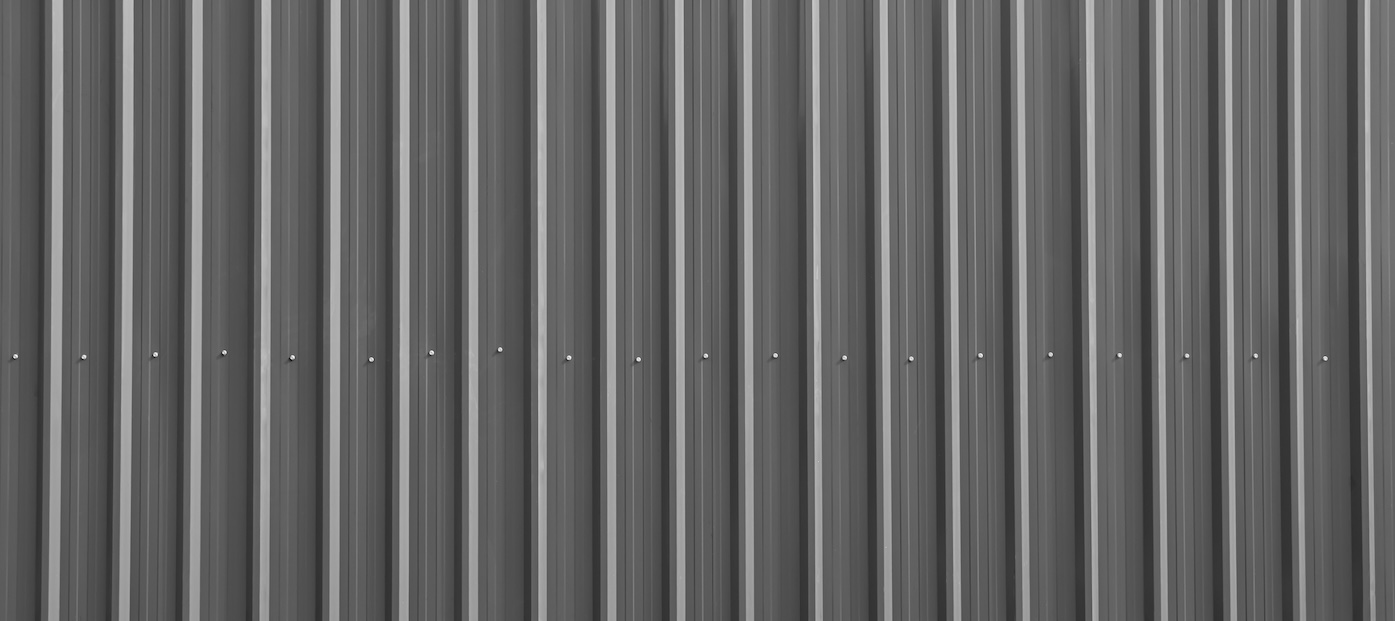
Metal roofing has a natural advantage when it comes to energy efficiency. It reflects solar heat rather than absorbing it, which can meaningfully reduce your cooling costs during summer months, particularly in warmer climates. In a hot, sunny region, a reflective metal roof can take a real load off your air conditioning system.
Asphalt shingles tend to absorb heat, which can warm up your attic and drive up cooling costs. That said, “cooling roof” shingles are available and designed to reflect more heat, giving asphalt options a fighting chance in the energy efficiency department.
Curb Appeal: What Does Your Roof Say About Your Home?
Roofing materials do more than protect your home from the elements. They contribute significantly to how your home looks from the street. Asphalt shingles have always been the crowd-pleaser here. They come in an enormous range of colors, textures, and styles, making them easy to pair with almost any architectural style, from classic Colonials to contemporary farmhouses.
Metal roofing has a bolder, more modern personality. It can look absolutely stunning on the right home, and its popularity has grown significantly in recent years, especially for higher-end custom builds. That said, if every house on your street is rocking traditional shingles, a standing seam metal roof will definitely make your home stand out, for better or for worse, depending on your taste.
Environmental Impact: Going Green with Your Roofing Materials
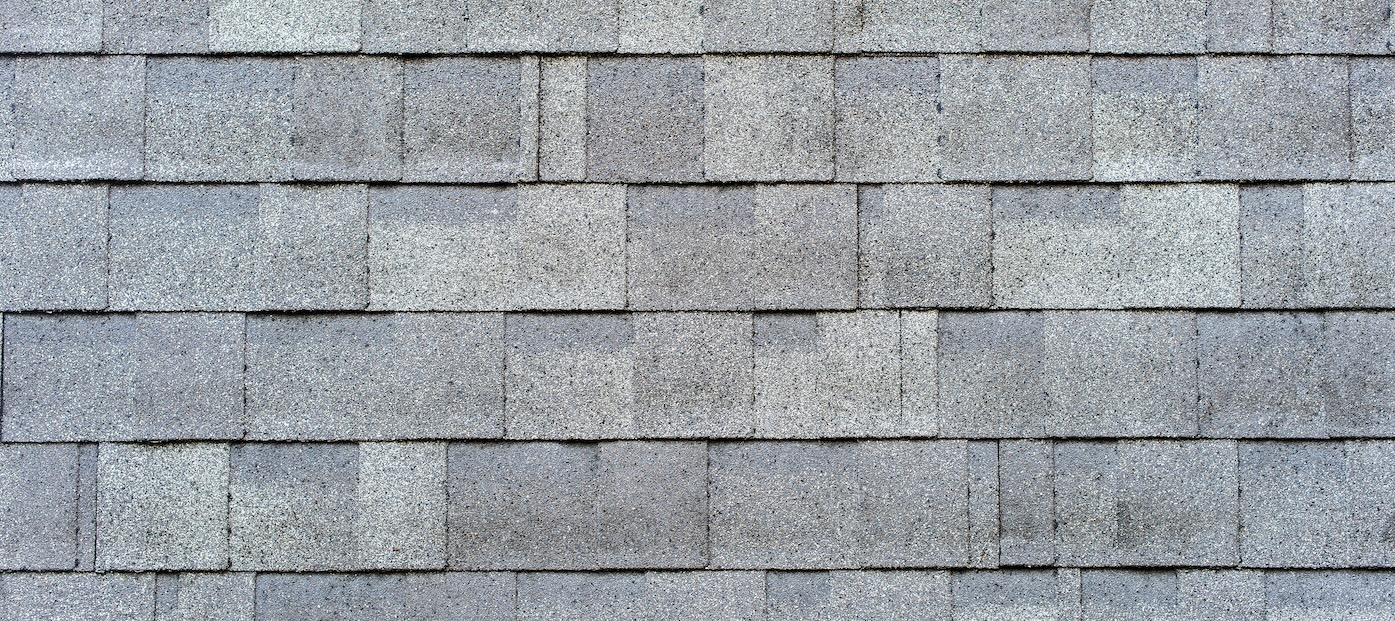
Here is a fact that surprises a lot of homeowners: asphalt shingles are a major source of landfill waste. The U.S. disposes of an estimated 20 billion pounds of asphalt shingle waste every year. Since most shingles are made from petroleum-based products, they are difficult to recycle.
Metal roofing tells a much greener story. Many metal roofing systems contain 25 to 95 percent recycled content and are 100 percent recyclable at the end of their lifespan. In many cases, metal panels can even be installed right over existing shingles, cutting down on removal waste entirely. For homeowners who care about their environmental footprint, metal is a clear winner.
So, Which Should You Choose?
| Choose Metal Roofing If… | Choose Asphalt Shingles If… |
| You plan to stay in your home long-term | You need to replace your roof on a budget |
| You live in an area prone to harsh weather | You may sell your home within 10–15 years |
| Energy savings are a priority | You want a wide range of color/style options |
| You want minimal long-term maintenance | Quick installation is important to you |
| Sustainability matters to you | Your home has a traditional or classic style |
Get a Personalized Roofing Quote
Every roof is different and so is the cost. Get a tailored estimate based on your home’s size, materials, and condition. Our team will inspect your roof, walk you through your options, and provide clear, upfront pricing with no surprises.
FAQs
Is metal roofing better than asphalt shingles?
Metal roofing lasts longer, requires less maintenance, and offers better durability, while asphalt shingles are more affordable upfront and easier to install.
How much more expensive is metal roofing compared to asphalt shingles?
Metal roofing typically costs two to three times more than asphalt shingles upfront, but it can last twice as long or more.
How long do metal roofs last vs. asphalt shingles?
Metal roofs can last 40–70 years, while asphalt shingles typically last 15–30 years depending on quality and conditions.
Are metal roofs louder when it rains?
Yes, metal roofs can be noisier during rain or hail, but proper insulation significantly reduces sound.
Which roofing material is better for energy efficiency?
Metal roofing is generally more energy-efficient because it reflects heat, while asphalt shingles tend to absorb it.
Are metal roofs more durable in extreme weather?
Yes, metal roofs perform better in high winds, heavy rain, snow, and fire-prone environments compared to asphalt shingles.
Do metal roofs increase home value?
Yes, metal roofs can increase resale value due to their longevity, energy efficiency, and low maintenance appeal.
Are asphalt shingles still a good choice?
Absolutely. Asphalt shingles are reliable, cost-effective, and come in a wide variety of styles, making them a popular choice.
Which roofing material is more environmentally friendly?
Metal roofing is more eco-friendly because it is recyclable and often made from recycled materials, while asphalt shingles contribute more to landfill waste.
How do I choose between metal and asphalt roofing?
Choose metal if you want long-term durability and efficiency. Choose asphalt if you need a budget-friendly, traditional option.