
In Southern Oregon, homeowners understand the value of hard work, preparedness, and protecting what matters most. Your roof is more than shingles and flashing, it’s the shield that protects your family, your memories, and the home you’ve worked hard to build. When storms roll through the Rogue Valley with heavy rain, strong winds, or hail, even a sturdy roof can take a beating. That’s why proactive roof repair & maintenance is essential before storm season arrives. At Build The Block Construction, we believe in helping local families stay ahead of costly repairs with honest inspections, dependable craftsmanship, and preventative care rooted in traditional American values.
Signs Your Roof May Need Replacement After a Storm
Not all storm damage is obvious from the ground. Sometimes the signs are subtle at first, quietly worsening until a small issue becomes a major problem. Knowing what to look for can help Southern Oregon homeowners make informed decisions before leaks and structural damage spread.
Interior Warning Signs
Your ceiling and attic often reveal the first clues that your roof may be failing.
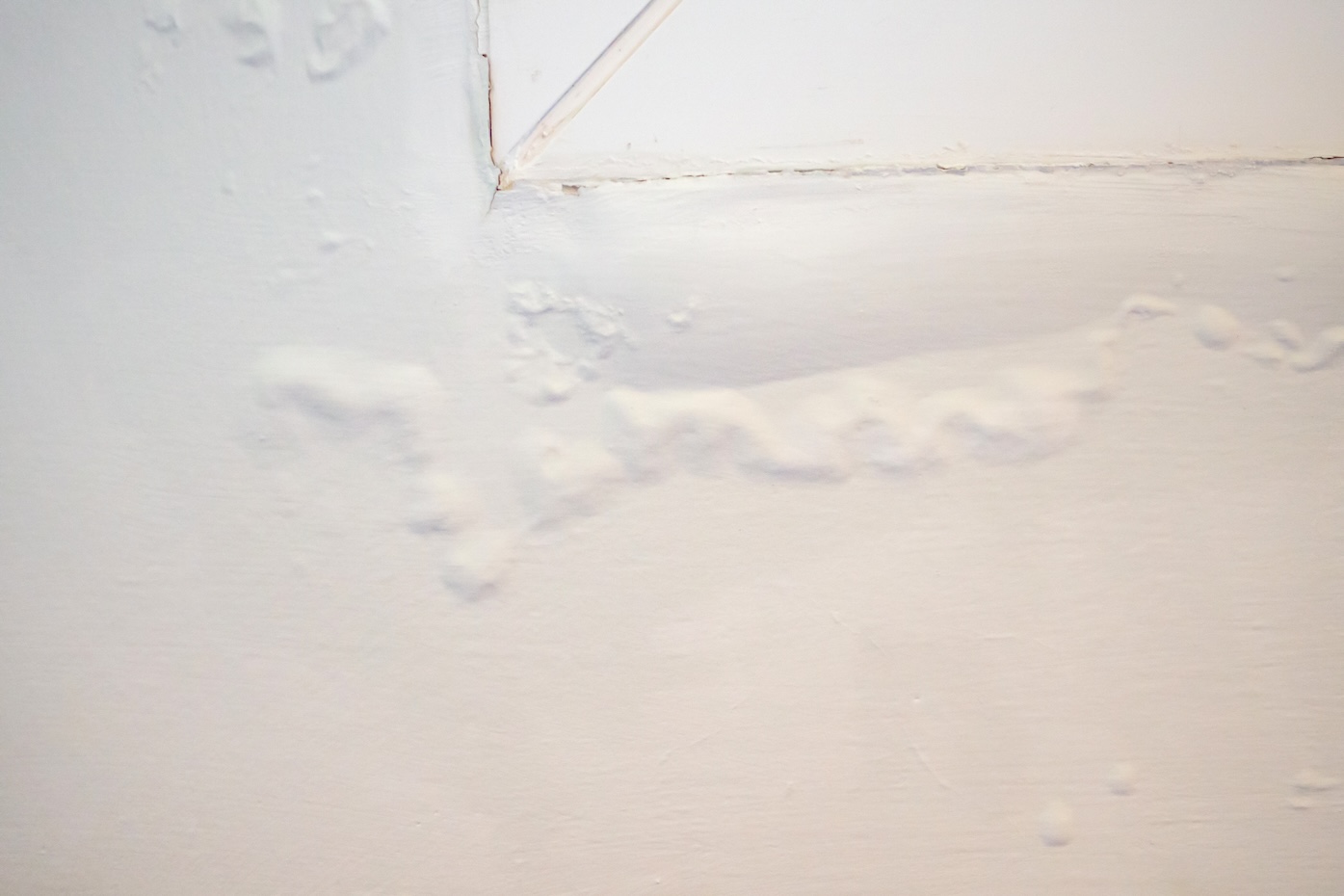
Brown ceiling stains, peeling paint, or bubbling drywall usually indicate moisture intrusion. Even a small leak can travel through insulation and framing before becoming visible inside the home. Homeowners should also watch for damp attic insulation, musty odors, or visible mold growth after storms.
Another warning sign is light entering through the attic roof boards. If daylight can get in, rain and cold air can too. During Southern Oregon winters, drafts caused by roof gaps can increase heating costs and reduce energy efficiency.
Exterior Warning Signs
Storm damage is often easier to spot outside the home, if you know where to look.
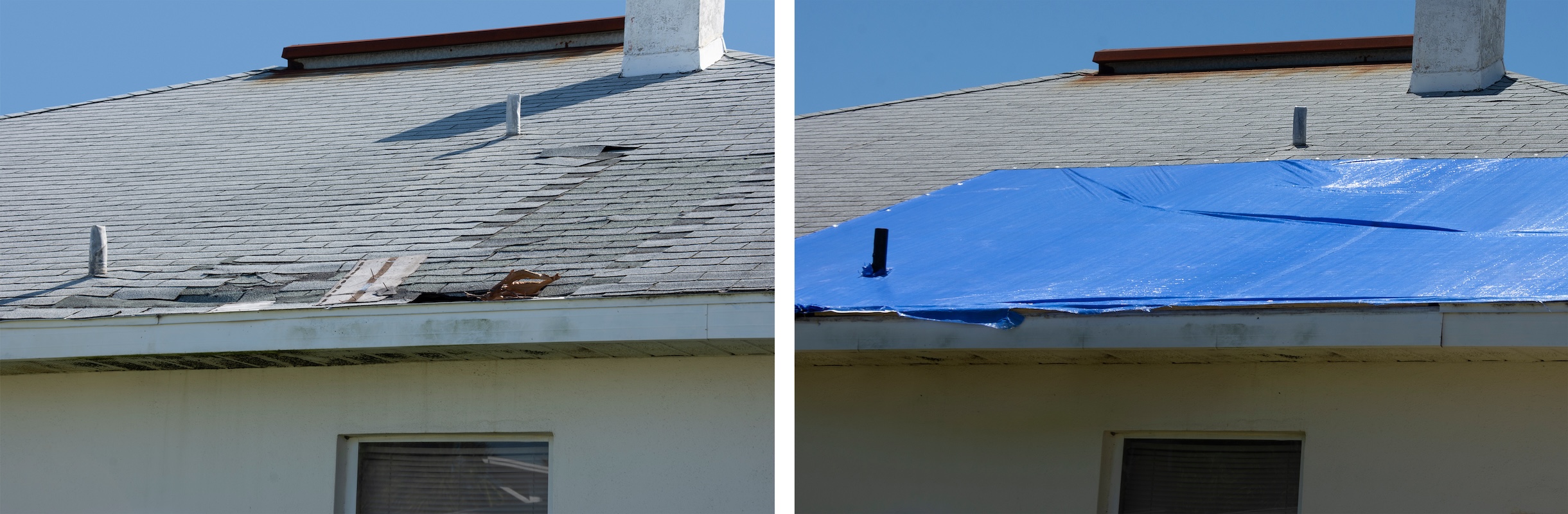
Curling, cracked, or missing shingles are common after high winds. These damaged shingles leave vulnerable areas exposed to moisture and UV damage. Sagging rooflines may indicate deeper structural weakening caused by trapped moisture or aging materials.
Flashing around chimneys, vents, and valleys can also loosen during storms. Once flashing is compromised, water can seep beneath roofing materials and into the home’s framework.
Another overlooked sign is excessive shingle granules collecting in gutters or downspouts. Those granules protect shingles from the sun, and heavy granule loss is often a sign your roof is nearing the end of its lifespan.
If your roof is over 15–20 years old and has experienced multiple storms, replacement may be more cost-effective than repeated repairs.
When Repairs Are No Longer Cost-Effective
There comes a point when patching leaks and replacing shingles simply delays the inevitable. Older roofs that have endured repeated Southern Oregon storms often suffer from hidden weaknesses beneath the surface.
Insurance companies may also limit coverage for aging roofing systems, especially when prior damage already exists. In some cases, repeated repairs can cost more over time than investing in a full replacement.
Most importantly, safety matters. A weakened roof can eventually compromise your home’s structure and put your family at risk during future storms.
How Storms Damage Residential Roofs
Storm damage doesn’t always announce itself with dramatic leaks or fallen trees. Many forms of damage begin quietly and worsen over time.
Wind Damage
Strong winds are one of the most common causes of roof failure in Southern Oregon.
High gusts can tear away shingles, loosen flashing, and expose the underlayment beneath your roofing system. Once exposed, these areas become vulnerable to water intrusion. Even minor lifting around shingle edges can allow rain to penetrate during the next storm.
Wind-driven rain is especially dangerous because it forces moisture into places standard rainfall may never reach.
Hail Damage
Hailstorms can leave behind hidden destruction that homeowners often miss.
When hail strikes asphalt shingles, it can knock away protective granules and bruise the shingle surface. These bruises weaken the material over time and accelerate deterioration. Cracks caused by hail may not leak immediately, but they create weak points that worsen through heat, cold, and additional storms.
Over time, hidden structural weakening can shorten the lifespan of your entire roofing system.
Water and Debris Damage
Southern Oregon storms often bring falling branches, clogged gutters, and heavy moisture accumulation.
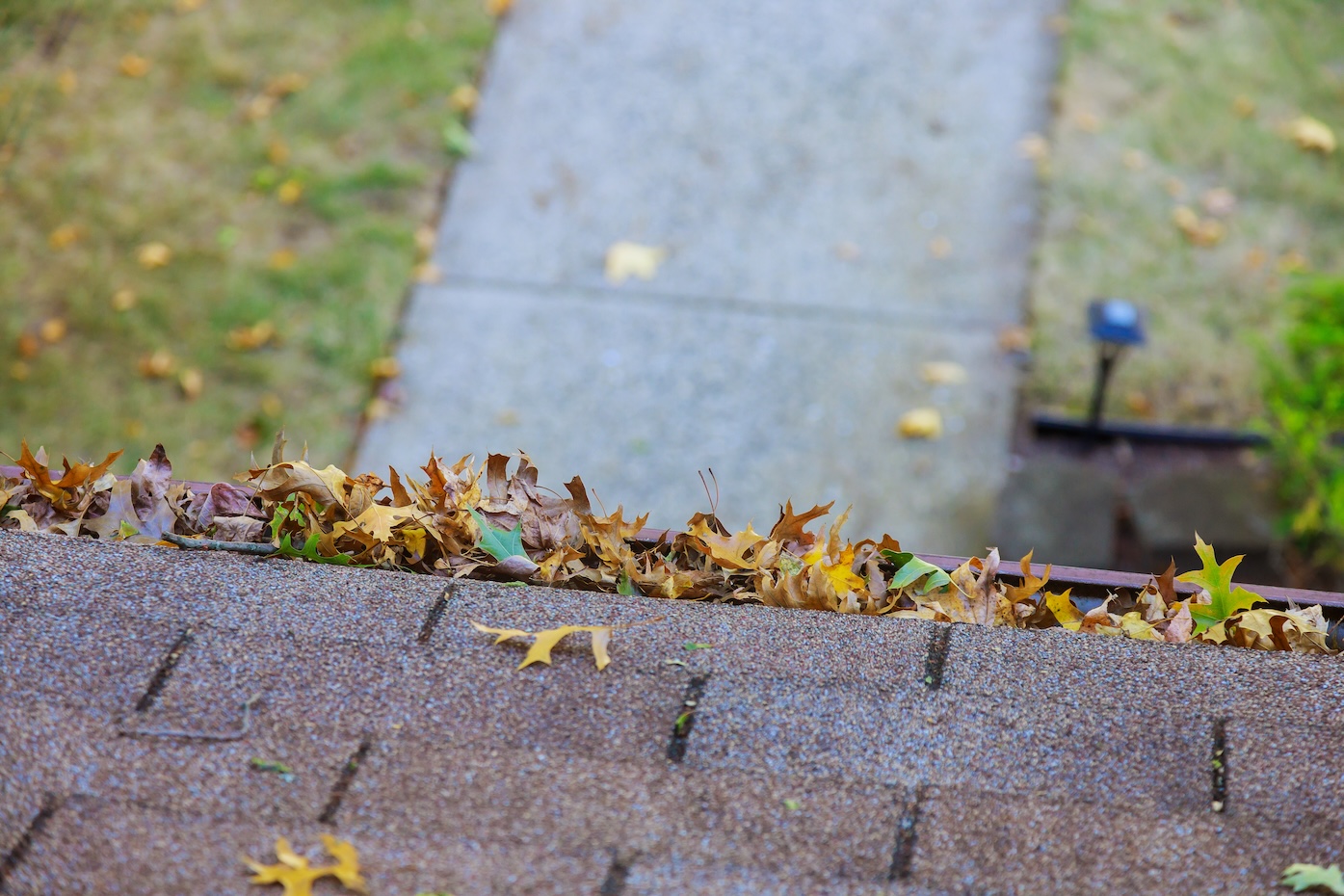
Tree limbs can puncture roofing materials or damage flashing during windstorms. Meanwhile, clogged gutters prevent proper drainage, allowing water to pool along the roof edge. That standing water can eventually seep beneath shingles and into the attic.
Once moisture enters the home, mold growth and wood rot can spread quickly. What starts as a small leak can become expensive structural damage if ignored.
Read More: Best Roofing Materials for Rainy Climates
Why Preventative Roof Repair & Maintenance Matters Before Storm Season
In many ways, roof care reflects an old-fashioned principle: take care of your home before problems arise. Preventative maintenance helps families avoid emergency repairs, unexpected costs, and stressful storm damage.
Small Problems Become Expensive Repairs
Loose shingles may not seem urgent on a sunny day, but they can quickly become major leaks during the next storm. Weak flashing, clogged drainage systems, and small roof penetrations often worsen quietly over time.
Minor issues rarely stay minor for long. Water has a way of finding the smallest weakness and expanding it.
Routine inspections allow homeowners to catch these problems early, before they threaten the safety of the home.
Benefits of Annual Roof Inspections
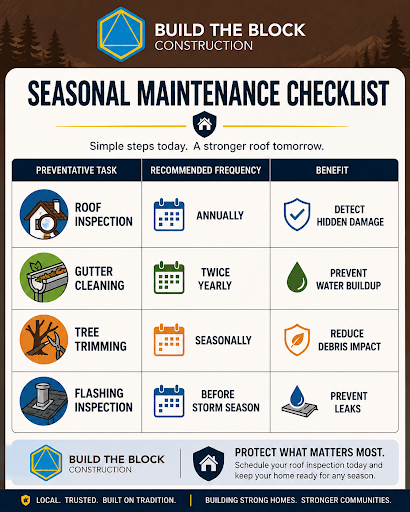
Annual roof inspections are one of the smartest investments a homeowner can make.
Professional inspections help identify hidden damage before it becomes visible inside the home. They also extend roof lifespan by addressing vulnerable areas early.
Inspections can improve insurance documentation as well. If storm damage occurs later, having maintenance records may help support insurance claims.
An efficient roofing system also improves energy performance by reducing air leaks and maintaining proper attic ventilation.
What to Do Immediately After a Storm
The moments after a storm are critical. Acting quickly — and safely — can reduce long-term damage and simplify the repair process.
Conduct a Safe Visual Inspection
Homeowners should begin with a ground-level inspection. Look for missing shingles, fallen branches, dented gutters, or visible debris around the property.
Take photos of any damage for insurance documentation. Avoid climbing onto the roof yourself, especially if surfaces are wet or unstable. A dangerous fall is never worth the risk.
Contact a Professional Roofing Contractor
A trained roofing professional can identify hidden storm damage that homeowners often miss.
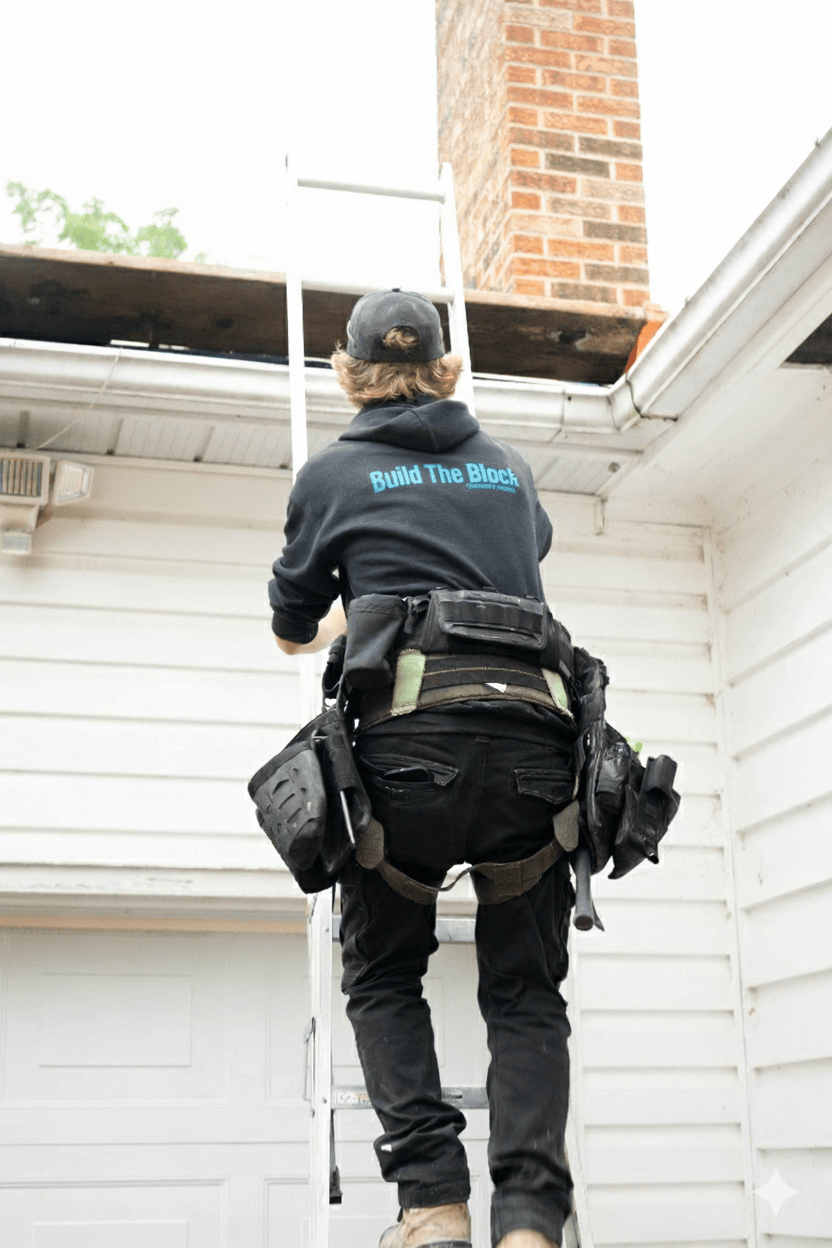
At Build The Block Construction, our team provides thorough storm inspections for Southern Oregon homeowners. We check for hidden moisture intrusion, flashing damage, and structural concerns that may not be visible from the ground.
If immediate protection is needed, emergency tarping can help prevent additional water intrusion until permanent repairs are completed.
Review Insurance and Documentation
After documenting the damage, homeowners should contact their insurance provider promptly.
Keep inspection reports, photographs, and repair estimates organized throughout the claims process. Working with a reputable contractor can also help simplify communication between homeowners and insurance adjusters.
Conclusion
Storms are part of life in Southern Oregon, but major roofing emergencies do not have to be. With proactive inspections, preventative care, and timely repairs, homeowners can protect their families and preserve the value of their homes for years to come.
A strong roof represents peace of mind, the confidence that your home is prepared when the next storm arrives. Investing in professional Roof Repair & Maintenance today can help you avoid costly surprises tomorrow.
Schedule a storm-prep roof inspection with Build The Block Construction today and make sure your roof is ready before severe weather strikes.